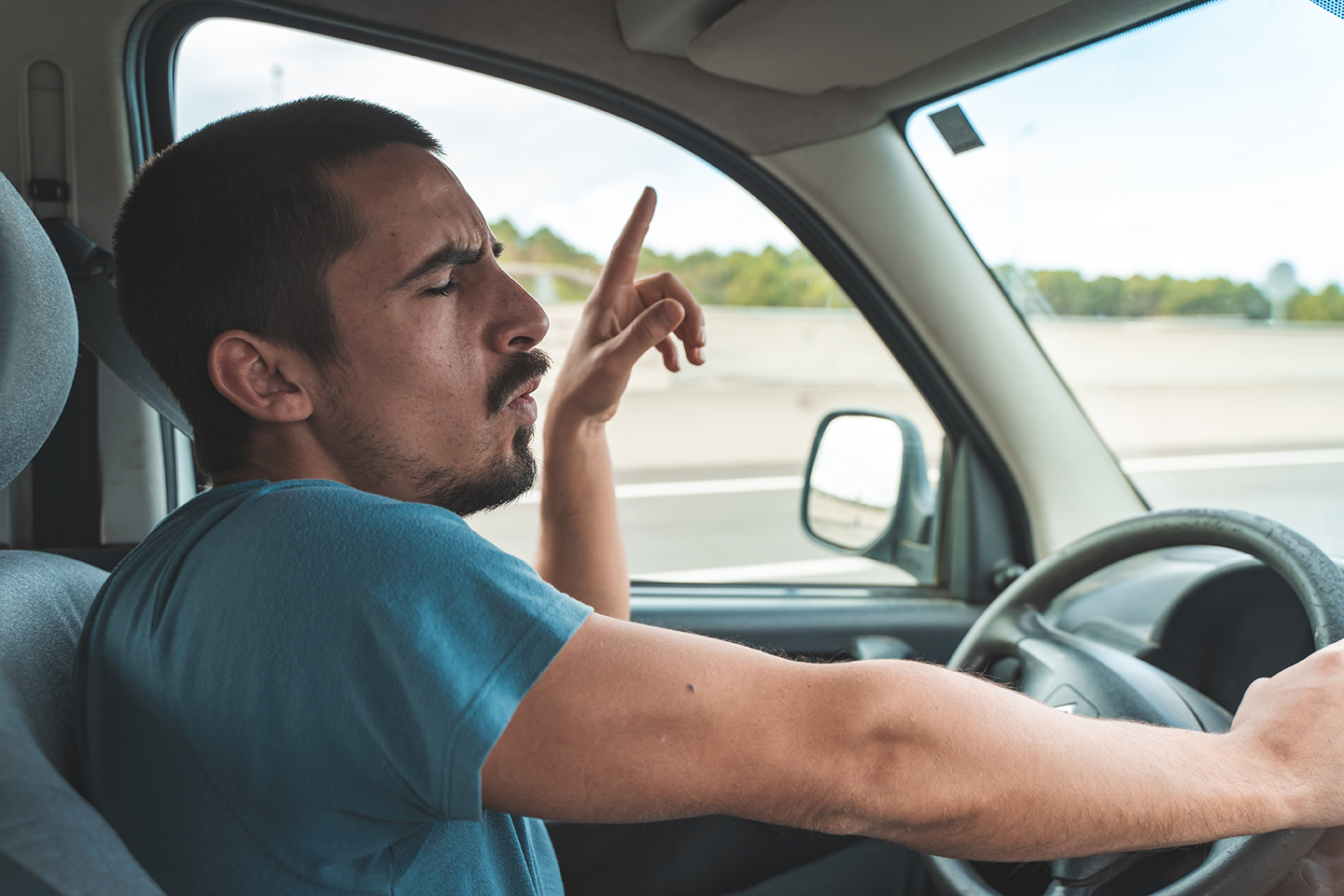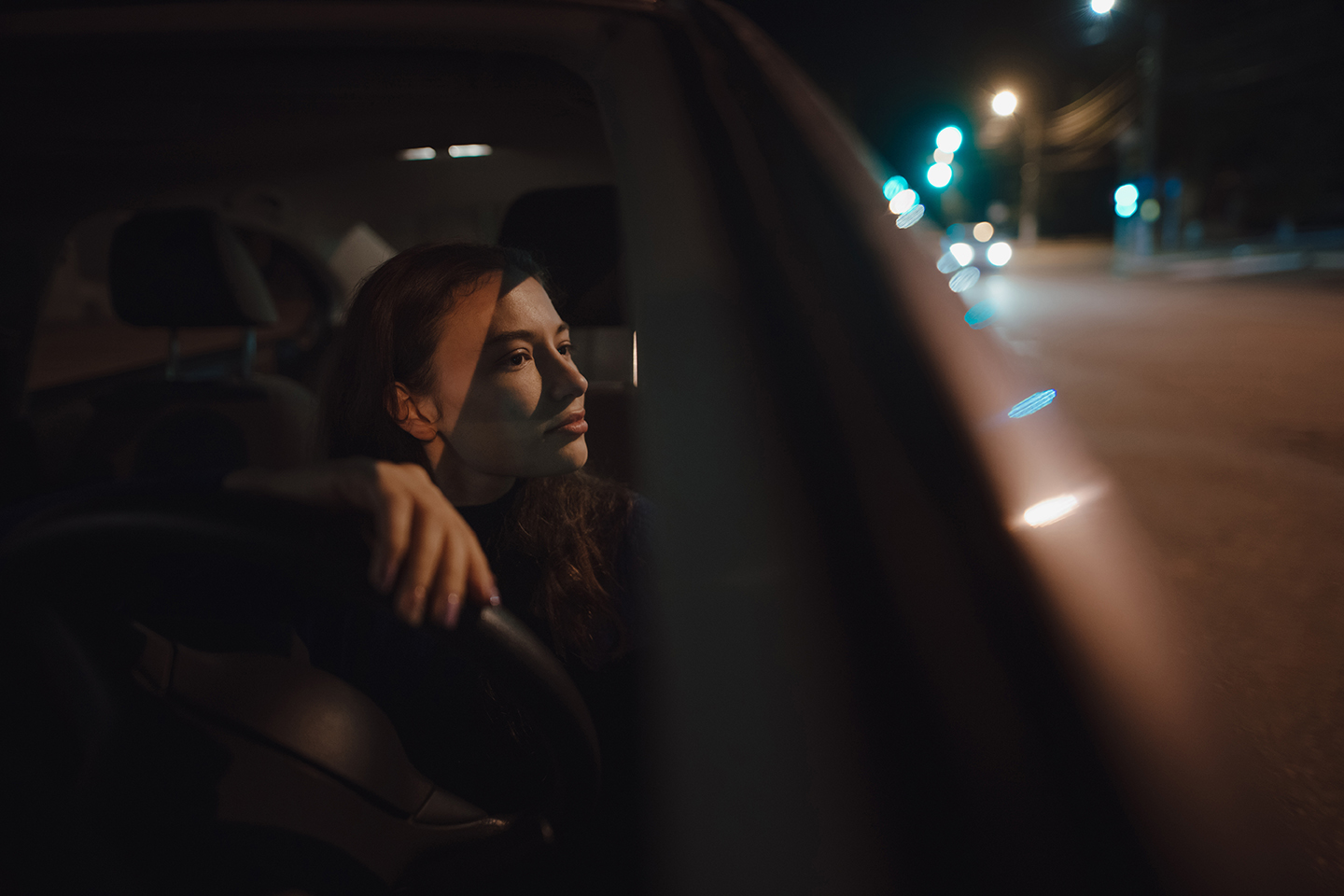
There are those strange moments that many people experience but rarely talk about: you arrive, turn off the engine, and remain seated. The front door is only a few steps away, the journey is long over, and yet something still feels unfinished. Instead, you sit there, listen to music, stare through the windshield, or simply let your thoughts wander.
What looks like procrastination from the outside is actually something else for many people: a brief, self-imposed retreat. The car becomes a place where you don't have to perform. A space between roles.
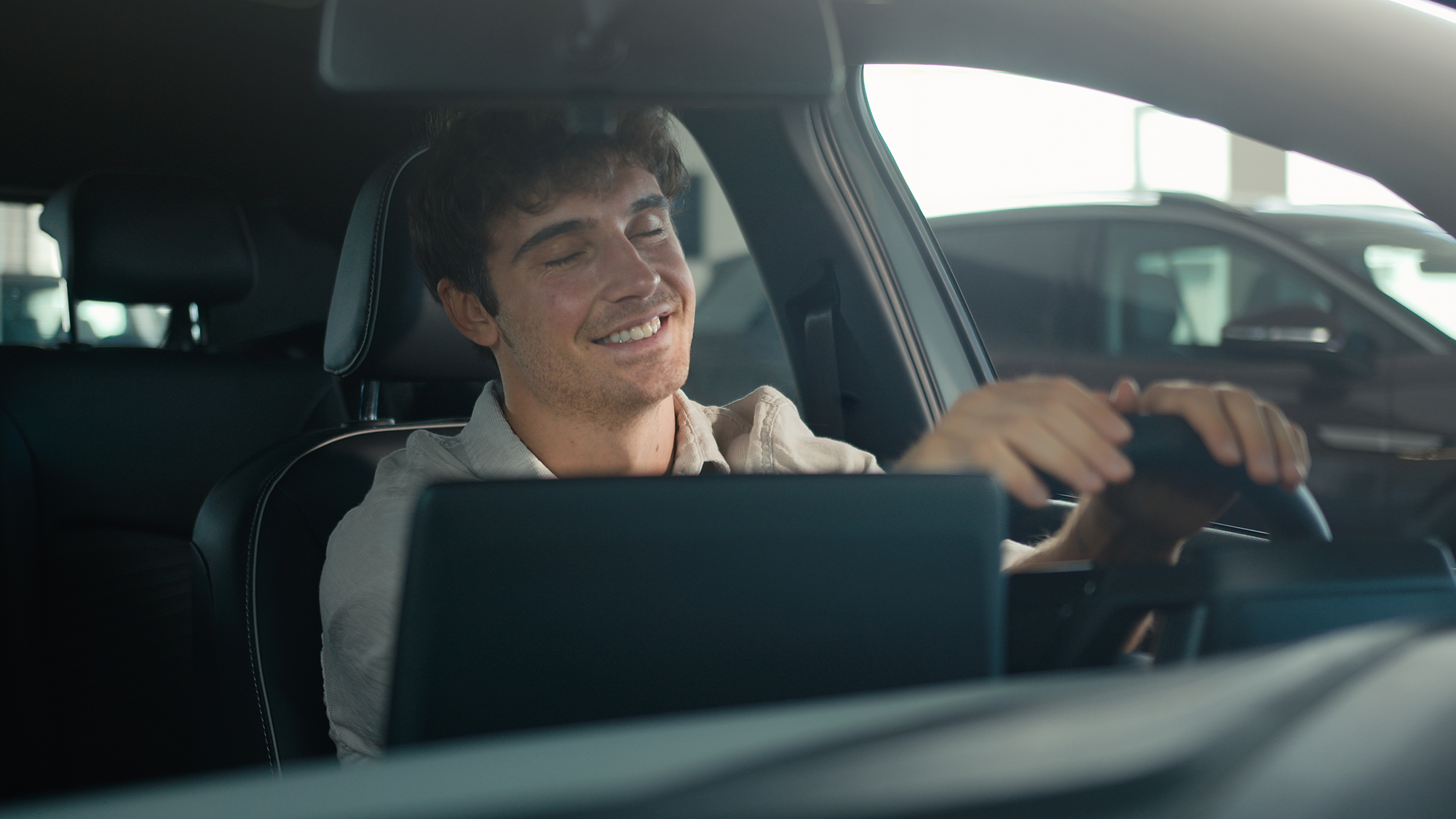
The "third place" – reimagined
In sociology, the concept of the third place describes places beyond home and work: cafés, parks, libraries. Spaces where people voluntarily spend time without functional pressure. Places that enable community or relief.
The car does not appear in this classic definition. And yet, for many people, it fulfills precisely this function—only in a quiet, individual way. It is not a public meeting place, but a personal space in between. A private third place.
In a car, you are both on the move and arrived at your destination. It is a space with clear boundaries that can be closed off. No doorbell, no eye contact, no expectations. For a few minutes—sometimes longer—this place belongs to only one person.

Why the car?
It is no coincidence that the car, of all things, has taken on this role.
On the one hand, it is a familiar space. You know every movement, every button, every smell. Familiarity lowers your guard—and makes room for thoughts that would otherwise have no space.
On the other hand, the car is socially accepted. Anyone who is still sitting in their car is considered to be "on the road." They are neither rude nor absent. This intermediate social status creates freedom.
And finally, the car is a place of control. Doors closed, windows up or down, volume adjusted to your liking. In a world that is often loud, open, and demanding, this control has a surprisingly calming effect.
Transition instead of escape
It is important to note that for most people, this period of reflection is not a retreat from life, but rather a transition in life.
From a psychological perspective, such transitional spaces are valuable. They help us process experiences, allow emotions to subside, and switch gears mentally. From the workday to the evening. From obligation to presence. From the outside to the inside.
The car provides the perfect natural setting for this. It is neither completely private nor completely public, neither a destination nor a starting point. And that is precisely why it is so well suited for pausing to reflect.
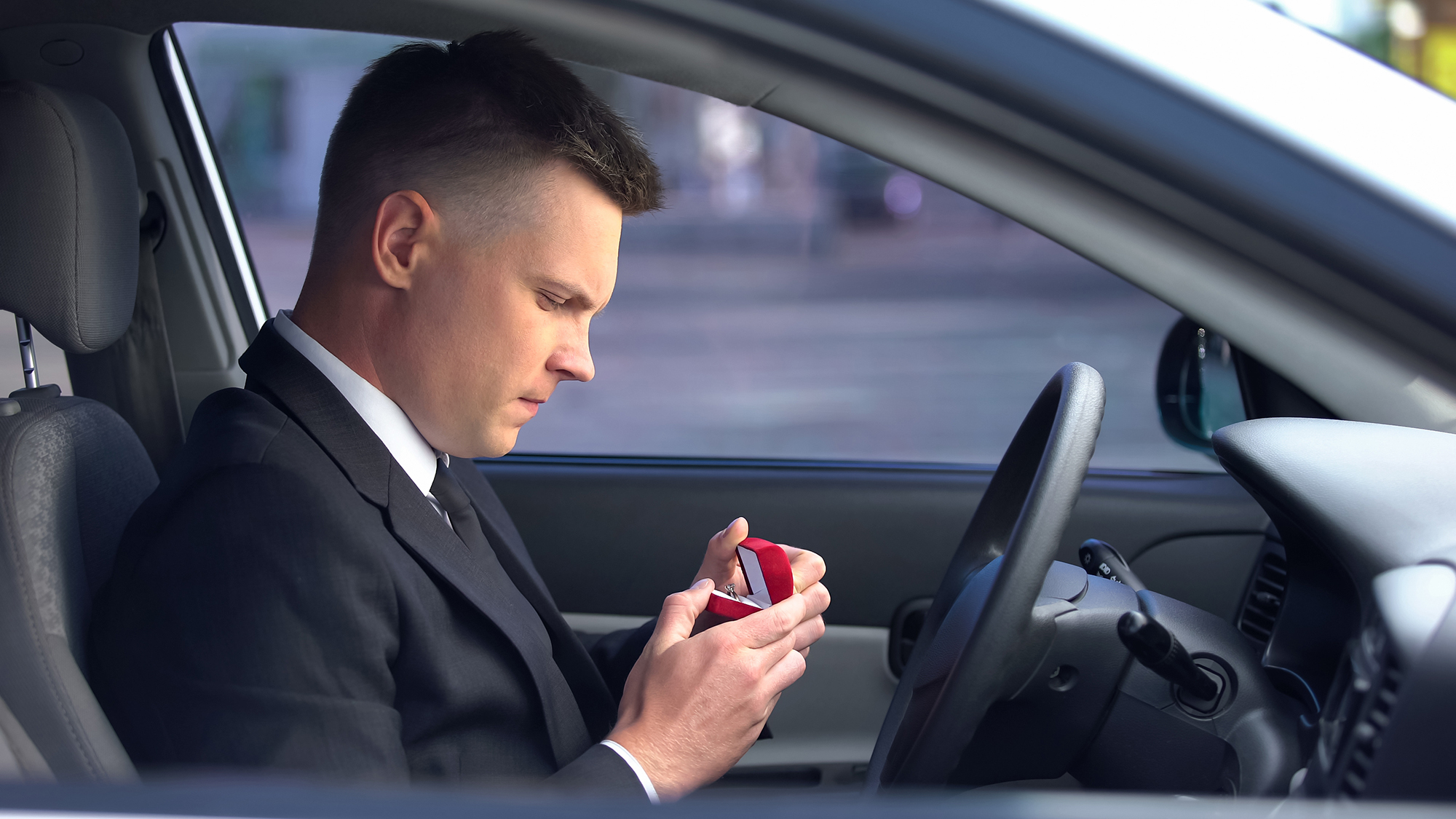
The role of sound and noise
What is striking is that sound almost always plays a role in these moments. Music, podcasts, silence with a slight engine noise—acoustic impressions structure the experience of this space.
Good sound is not spectacular, but supportive. It does not impose itself, but carries. A balanced sound can organize thoughts, cushion emotions, or simply create presence.
It's less about volume or effect and more about quality: clarity, warmth, depth. It's about the feeling that the sound fills the space without dominating it. This makes the car not only a physical refuge, but also an acoustic one.
Many people intuitively realize how much sound influences their relaxation. They remain seated because a song is not yet over. Or because the atmosphere is right. Not because they want to leave, but because they are enjoying themselves.
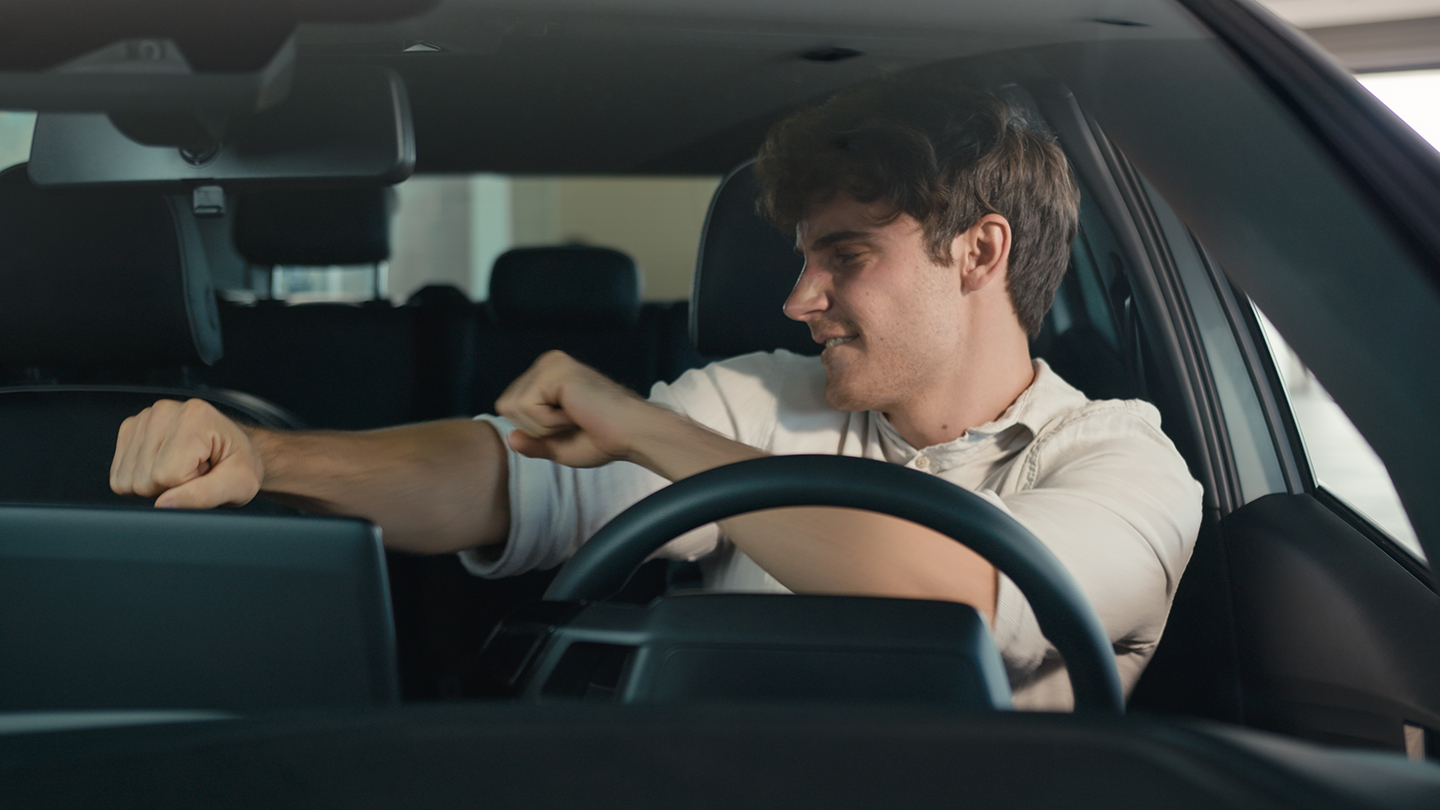
Enjoying life in small ways
The private third place in the car is not a grand concept. It is inconspicuous, everyday, almost banal. And that is precisely where its strength lies.
Quality of life does not only come from time off, travel, or special experiences. It also comes from brief moments when nothing is demanded of you. When you are simply there. Breathing. Listening. Thinking.
If good sound helps to make these moments more conscious, pleasant, or intense, then it is not a luxury in the loud sense. It is a form of self-care—quiet, individual, and unobtrusive.
A place you always have with you
Perhaps that is why the car is a third place for so many people: because you don't have to look for it. It's already there. Waiting. And between appointments and to-do lists, it offers a space that wants nothing.
Sometimes that's enough.